
Digital Solution Contract Governance

IT Transformation
On numerous occasions, enterprises encounter situations where they do not possess the competency, resources or confidence in choosing a vendor for the implementation of a business application or modernization of an existing application that is in use. The most crucial aspect of this procedure is to remain impartial and objective.
We have a professional team who can manage your entire contract life cycle process, which includes the following key steps.
- Prepare of business requirement specification
- Request for proposal
- Evaluate and shortlist candidates
- Organize demonstrations
- Conduct assessment and manage clarifications
- Prepare contract for the implementation
- Prepare a contract for the application support and management
- Award contract
- Manage end-to-end project
- Manage delivery assurance of outcomes
- Conduct post-implementation review
- Conduct project closure and assign residual activities
Casinozoid Explores the History and Development of Pokie Machines
The distinctive sounds of spinning reels and celebratory chimes have become synonymous with gaming entertainment across the globe, but few machines hold as special a place in gaming culture as pokie machines. These beloved devices have evolved from simple mechanical contraptions into sophisticated digital entertainment systems that captivate millions of players worldwide. Understanding the history and development of pokie machines reveals not only technological innovation but also changing social attitudes toward gaming, entertainment, and leisure activities. Casinozoid examines this fascinating journey from the earliest mechanical devices to today’s immersive gaming experiences.
The Mechanical Origins and Early Innovation
The story of pokie machines begins in the late 19th century with Charles Fey, a San Francisco mechanic who created the Liberty Bell in 1895. This groundbreaking invention featured three spinning reels adorned with symbols including horseshoes, diamonds, spades, hearts, and the iconic cracked Liberty Bell. Fey’s machine was revolutionary because it included an automatic payout mechanism, eliminating the need for attendants to distribute winnings manually. The Liberty Bell could hold only a limited number of symbols due to its mechanical constraints, which meant that the largest jackpot was relatively modest by today’s standards.
The early 1900s witnessed rapid expansion of these machines throughout America, though they faced considerable legal challenges. Many jurisdictions banned gambling devices, prompting manufacturers to develop creative solutions. Herbert Mills, a Chicago manufacturer, produced the Operator Bell in 1907, which introduced fruit symbols—cherries, lemons, oranges, and plums—that remain iconic today. These fruit symbols emerged partly as a workaround to gambling restrictions, as machines could ostensibly dispense fruit-flavored chewing gum as prizes rather than cash. The BAR symbol, still prevalent on modern machines, originated from the logo of the Bell-Fruit Gum Company.
Throughout the prohibition era and beyond, pokie machines evolved mechanically. The introduction of electromechanical components in the 1960s marked a significant turning point. Bally Manufacturing’s Money Honey, released in 1963, was the first fully electromechanical slot machine, featuring a bottomless hopper that could automatically pay out up to 500 coins. This innovation eliminated the need for attendants during most payouts and allowed for more complex game mechanics, including multiple coin bets and larger jackpots.
The Digital Revolution and Australian Adaptation
The transformation from mechanical to digital technology fundamentally altered pokie machine capabilities. In 1976, the Fortune Coin Company developed the first true video slot machine in Las Vegas, utilizing a modified 19-inch Sony television for the display. After addressing initial player skepticism and technical refinements, the video slot concept gained acceptance. International Game Technology (IGT) acquired Fortune Coin in 1978 and began mass-producing video slots, setting the stage for the digital revolution in gaming.
Australia developed its own unique relationship with these machines, which became known colloquially as “pokies.” The first legal poker machines appeared in New South Wales clubs in 1956, initially restricted to registered clubs rather than hotels or casinos. This club-based model created a distinctive social environment around pokie play that differed from casino-focused models in other jurisdictions. Australian manufacturers like Aristocrat Leisure Limited, founded in 1953, became global leaders in gaming technology, developing innovations that would influence the worldwide industry.
Aristocrat’s contribution to pokie development cannot be overstated. The company introduced the first five-reel slot machine and pioneered numerous features that enhanced player engagement. Their 1996 release of “Hyperlink,” which connected multiple machines to a single progressive jackpot, revolutionized the gaming floor experience. The digital age has also made gaming more accessible, with players now able to enjoy free online pokies australia through various platforms that replicate the authentic casino experience without financial risk, allowing newcomers to familiarize themselves with game mechanics and features.
The transition to computerized random number generators (RNGs) in the 1980s and 1990s represented another watershed moment. RNGs allowed for virtually unlimited reel positions and symbol combinations, enabling much larger jackpots and more complex bonus features. Unlike mechanical reels with physical limitations, digital reels could be weighted differently, creating more sophisticated probability models. This technology also enabled the development of multi-line games, where players could bet on numerous paylines simultaneously, dramatically increasing engagement and gameplay variety.
Modern Features and Technological Sophistication
Contemporary pokie machines bear little resemblance to their mechanical ancestors, incorporating cutting-edge technology that creates immersive entertainment experiences. High-definition touchscreens have replaced physical buttons and levers, allowing for interactive bonus rounds where player choices influence outcomes. Advanced graphics processors render cinematic-quality animations, while sophisticated sound systems deliver immersive audio landscapes that respond dynamically to gameplay events.
Licensed content has become increasingly prevalent, with pokie machines featuring popular movies, television shows, musicians, and celebrities. These branded games leverage existing fan bases and cultural recognition to attract players. Casinozoid notes that titles based on franchises like Game of Thrones, The Walking Dead, and various Marvel properties have achieved tremendous popularity, demonstrating how pokies have evolved into multimedia entertainment platforms rather than simple gambling devices.
Server-based gaming represents the current frontier in pokie technology. Rather than having game software stored locally on individual machines, server-based systems allow gaming floors to modify game themes, denominations, and parameters remotely. This flexibility enables venues to respond quickly to player preferences and optimize floor performance. Additionally, these systems facilitate sophisticated player tracking and loyalty programs that personalize the gaming experience based on individual preferences and playing history.
Responsible gaming features have also advanced significantly. Modern machines incorporate time and spending limit tools, reality checks that remind players how long they’ve been playing, and self-exclusion capabilities. These features reflect growing awareness of problem gambling concerns and regulatory requirements designed to protect vulnerable players. Casinozoid recognizes that the industry’s commitment to responsible gaming technology represents an important dimension of contemporary pokie development.
The integration of skill-based elements marks another emerging trend. Traditional pokies rely entirely on chance, but newer machines incorporate skill-based bonus rounds that appeal particularly to younger players raised on video games. These hybrid games maintain the random outcome for the base game while allowing player skill to influence bonus round results, creating a new category that bridges traditional gaming and video game entertainment.
From Charles Fey’s Liberty Bell to today’s networked, skill-enhanced digital platforms, pokie machines have undergone extraordinary transformation. This evolution reflects broader technological progress, changing regulatory environments, and shifting player expectations. The journey from simple three-reel mechanical devices to sophisticated entertainment systems demonstrates remarkable innovation and adaptability. As technology continues advancing with developments in virtual reality, artificial intelligence, and blockchain integration, the future promises even more dramatic changes. Understanding this rich history provides valuable context for appreciating both the current state of pokie gaming and the exciting possibilities that lie ahead for this enduring form of entertainment.
best services
All the Features
You Need in
One Place
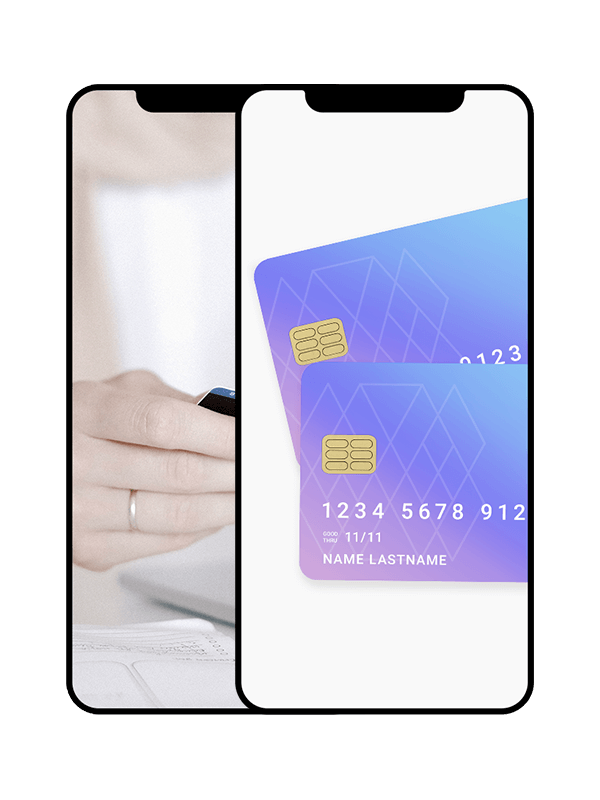
- No monthly or service fees.
- No minimum balance fees.
- No overdraft fees.
- No in network ATM fees.
- Free domestic wire transfers.


Digital Transformation
Strategy
If you are an SME, you might be unsure about what the term "digital transformation" means and how it can benefit your business. However, it is much more than just a vague concept. It is a detailed approach that involves taking clear steps to achieve digital maturity, support your business vision, and achieve long-term goals. Naturally, you may wonder whether this process will be expensive or whether it is only suitable for large enterprises. The answer is straightforward. Firstly, the cost will depend on your current level of digital maturity and how much you want to align with your business goals. Secondly, every enterprise, regardless of size, should have a defined strategy, as they all require up-to-date enabling systems and solutions. At DEZ!GN, we work closely with SMEs to develop the optimal digital transformation strategy that will help them achieve their business objectives.
A digital transformation strategy typically involves several key components, such as:
- Identify the key business objectives or goals the digital transformation strategy should support.
- Carry out a digital maturity assessment that encompasses the people, process, and technology aspects of the business with a focus on operational pain points.
- Analyse, plan and deliver digital solutions and capabilities for the business that enables meeting defined key objectives – this can deliver capabilities in any combination within the people, process, and technology aspects.
- Deliver new business capabilities or improvements to existing business capabilities in conjunction with digital solutions – this can refer to productivity, experience or operational improvements.
- Build competency within the workforce, so that digital solutions can be used in much more effectively.
user safety
Guaranteed Privacy and All User Safety



specifications